How to Increase the Value of Your Landscaping Business Before Selling
- 9825 Marina Blvd #100, Boca Raton, FL 33428
- 561-609-7325
Follow Us :


John C Bucher
January 19, 2026
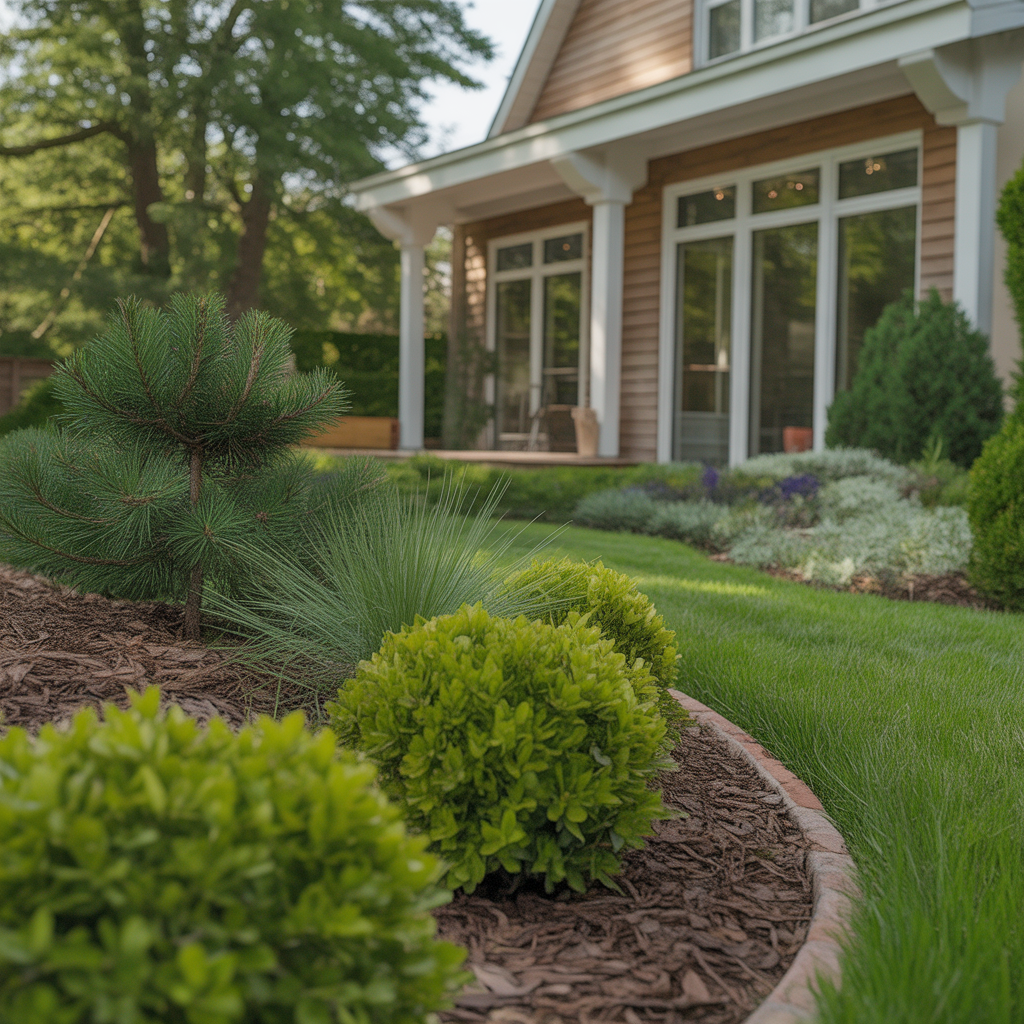
If you’re a landscaping business owner in Florida, increasing the value of your company before selling can significantly improve your outcome. A small set of strategic improvements can lead to stronger buyer demand, higher offers, and a smoother closing process.
In 2026, buyers are still actively looking for landscaping businesses, lawn routes, and commercial maintenance companies across Florida. However, buyers are also more selective. Rising labor costs, tighter insurance requirements, and stronger competition mean buyers want businesses that feel stable, transferable, and professionally operated.
The good news is that increasing value does not always require massive changes. In many cases, value increases are created by improving predictability, reducing risk, and making the business easier to transfer to a new owner.
Many Florida owners start this process by reviewing guidance from an experienced landscape business consultant who understands the unique drivers behind landscaping valuations and buyer expectations.
This guide explains what increases value in a real-world Florida landscaping transaction. It focuses on what buyers pay for, what lowers value, and what improvements create the highest return before going to market.
Most owners think increasing value means growing revenue. Revenue growth can help, but buyers care more about what they can take over and reliably operate.
In a landscaping business, buyers pay for three things:
This is why two landscaping businesses with the same revenue can sell for very different prices. One might be owner-operated and chaotic, while the other runs on systems and has stable crews.
If you want to increase value, your job is to shift your business from “owner-powered” to “system-powered.”
Recurring revenue is one of the strongest value drivers in Florida landscaping businesses. Buyers place a premium on maintenance services because they provide stable, predictable income that is easier to forecast.
Examples of recurring revenue include:
Recurring revenue is attractive because it:
A business with a high percentage of recurring revenue is typically easier to finance and easier to transfer.
You don’t need to reinvent your business. You can increase recurring revenue by improving how you package and deliver services.
Practical strategies include:
Even small increases in recurring income often create outsized value because buyers see the business as more stable.
Route density is one of the fastest value improvements a Florida landscaping owner can make before selling. Dense routes increase margin and reduce operational friction.
Buyers pay attention to route density because it impacts:
A business with clean routes feels efficient and profitable. A business with scattered accounts feels like a time and fuel leak.
Route improvement usually starts with discipline.
Steps that work include:
Route density improvements often increase profitability without adding new customers. That’s why buyers respect it.
Customer retention is a major value driver because it supports recurring revenue stability. Buyers want confidence that the customer base will stay after the seller exits.
Signs of strong retention include:
If your business loses customers frequently, buyers will discount earnings because they assume revenue will decline post-sale.
Retention often improves with consistent communication and standard service quality.
Examples include:
Retention is not just customer satisfaction. It is business value protection.
When buyers evaluate a landscaping business, they want to understand it quickly. If the business is confusing, undocumented, or heavily dependent on the owner, the buyer will either walk away or reduce price.
To increase value, your business must have:
This reduces buyer friction and increases confidence.
If you want a deeper explanation of what drives buyer valuation decisions, you may also benefit from reviewing:
What Determines the Value of a Landscaping Business in Florida? Buyer Insights for 2026
Labor is the backbone of every landscaping business, and in Florida, it is also one of the biggest perceived risks. Buyers know that replacing crews is expensive, disruptive, and uncertain.
A business with stable crews and basic leadership structure is far more valuable than a business that relies on constant rehiring.
Buyers are not looking for perfection. They are looking for signals of stability, such as:
When buyers see these signals, they assume service quality is repeatable.
Even a single foreman or lead technician can dramatically change buyer perception.
A crew leader:
This reduces transition risk and makes the business easier to operate after the sale.
You do not need to rebuild your team. Focus on small improvements that create confidence:
Buyers value stability more than size.
One of the fastest ways to increase the value of a landscaping business is to reduce owner dependency.
Buyers ask a simple question:
“What happens if the owner steps away?”
If the answer is unclear, value declines.
Owner dependency usually shows up in these areas:
When all of this lives with the owner, buyers worry that the business will struggle after closing.
You do not need advanced software or a large management team. Focus on transferability.
High-impact steps include:
Each task you remove from your personal involvement increases buyer confidence.
Many owners benefit from guidance during this stage, which is why some sellers consult a specialist such as a
landscape business consultant
to identify the highest-impact changes.
Buyers pay more for businesses that feel organized. Systems do not need to be complex—they need to be clear.
Scheduling systems buyers respect
Buyers like to see:
A spreadsheet, calendar, or scheduling app is fine. What matters is that the schedule does not exist only in the owner’s head.
In many landscaping businesses, pricing is based on instinct. Buyers prefer consistency.
You can increase value by documenting:
This reduces the buyer’s fear that profitability will drop after the owner exits.
If customers communicate exclusively with the owner’s personal phone, buyers worry about relationship transfer.
Improvements that help include:
The easier it is for a buyer to step into customer relationships, the higher the perceived value.
Financial clarity does not just protect value—it can actively increase it.
Buyers want financials that:
When financials are confusing, buyers assume risk and lower offers accordingly.
Even small improvements can have a big impact:
When buyers trust the numbers, negotiations become smoother and faster.
Buyers are constantly evaluating risk. Every improvement you make should answer this question:
“Does this reduce uncertainty for the next owner?”
Reducing owner dependency, stabilizing crews, systemizing operations, and cleaning up financials all do the same thing: they reduce perceived risk.
Lower risk equals higher value.
Landscaping businesses are equipment-driven. Buyers evaluate your equipment not only because it has resale value, but because it determines whether the business can operate reliably after closing.
If the buyer expects immediate equipment replacement or major repairs, value often declines.
Buyers are looking for clarity, not perfection.
A strong equipment package includes:
Even basic documentation helps buyers feel confident they are not inheriting hidden expenses.
When equipment is organized and well maintained, buyers see:
On the other hand, scattered equipment records, unclear ownership, and inconsistent maintenance make buyers nervous.
A nervous buyer negotiates harder.
Florida landscaping businesses often become more valuable when they have commercial and HOA contracts. However, those contracts can also introduce concentration risk if too much revenue depends on one client.
When a buyer sees that a single HOA or commercial client represents a large portion of revenue, they worry about:
Even if the contract is strong, buyers do not like “single point of failure” revenue.
You don’t always need to eliminate concentration risk. You need to manage it and document stability.
High-impact preparation steps include:
When a buyer can clearly understand the contract structure, they assign less risk.
Less risk increases value.
Many Florida landscaping buyers use financing, including SBA-backed loans depending on deal size and buyer qualifications. Businesses that appear organized and stable are usually easier to finance because lenders want predictable cash flow and low operational risk.
To make your business “finance-friendly,” focus on:
When financing is easier, your buyer pool increases, and more buyers means more competition and better terms.
Many owners have limited time and energy before selling. The goal is not to fix everything. The goal is to prioritize improvements that increase value the fastest.
High-ROI value improvements typically include:
If you take these steps, you create leverage.
Leverage is what drives premium outcomes.
The biggest mistake owners make is waiting until a buyer appears to improve the business. At that point, the seller is negotiating while trying to fix problems. That rarely works well.
A better approach is to improve value before marketing.
Many owners can make meaningful improvements in:
You do not need years. But you do need an intentional plan.
If you want a broader view of how value is increased across all industries—not just landscaping—you may also find this resource helpful:
https://kmfbusinessadvisors.com/increase-the-value-of-your-business/
This supports the same principle: buyers pay more for predictable, transferable cash flow with reduced risk.
Many Florida landscaping owners want to increase value but don’t know which improvements matter most. They may wonder:
The smartest way to get clarity is to start with a confidential valuation conversation.
If you want a starting point, you can request one here:
https://kmfbusinessadvisors.com/value-my-business/
This does not force you into selling. It simply gives you a clear picture of the market and what buyers will focus on.
What increases value the most in a landscaping business?
The biggest value drivers are recurring revenue, route density, crew stability, reduced owner dependency, and clean financial documentation.
How long does it take to increase value before selling?
Many owners can create meaningful improvements within 60–180 days. Larger businesses may benefit from longer preparation for management structure and contract stability.
Should I add more services to increase value?
Not always. Buyers prefer businesses with clear profitability and transferable systems. Adding new services can help if it is documented and profitable, but it can also add complexity if uncontrolled.
Do commercial and HOA contracts increase value?
Yes, but only when contracts are stable and not overly concentrated. Buyers will evaluate renewal risk and transferability.
Does equipment increase value?
Equipment supports value by reducing replacement cost and downtime. Clean documentation and maintenance habits improve buyer confidence.
Can I increase value if I’m owner-operated?
Yes. The biggest improvement is reducing owner dependency through basic systems and leadership structure.