
Earnouts in Business Sales Explained: 17 Critical Rules That Protect Buyers and Sellers
- 9825 Marina Blvd #100, Boca Raton, FL 33428
- 561-609-7325
Follow Us :
November 4, 2025
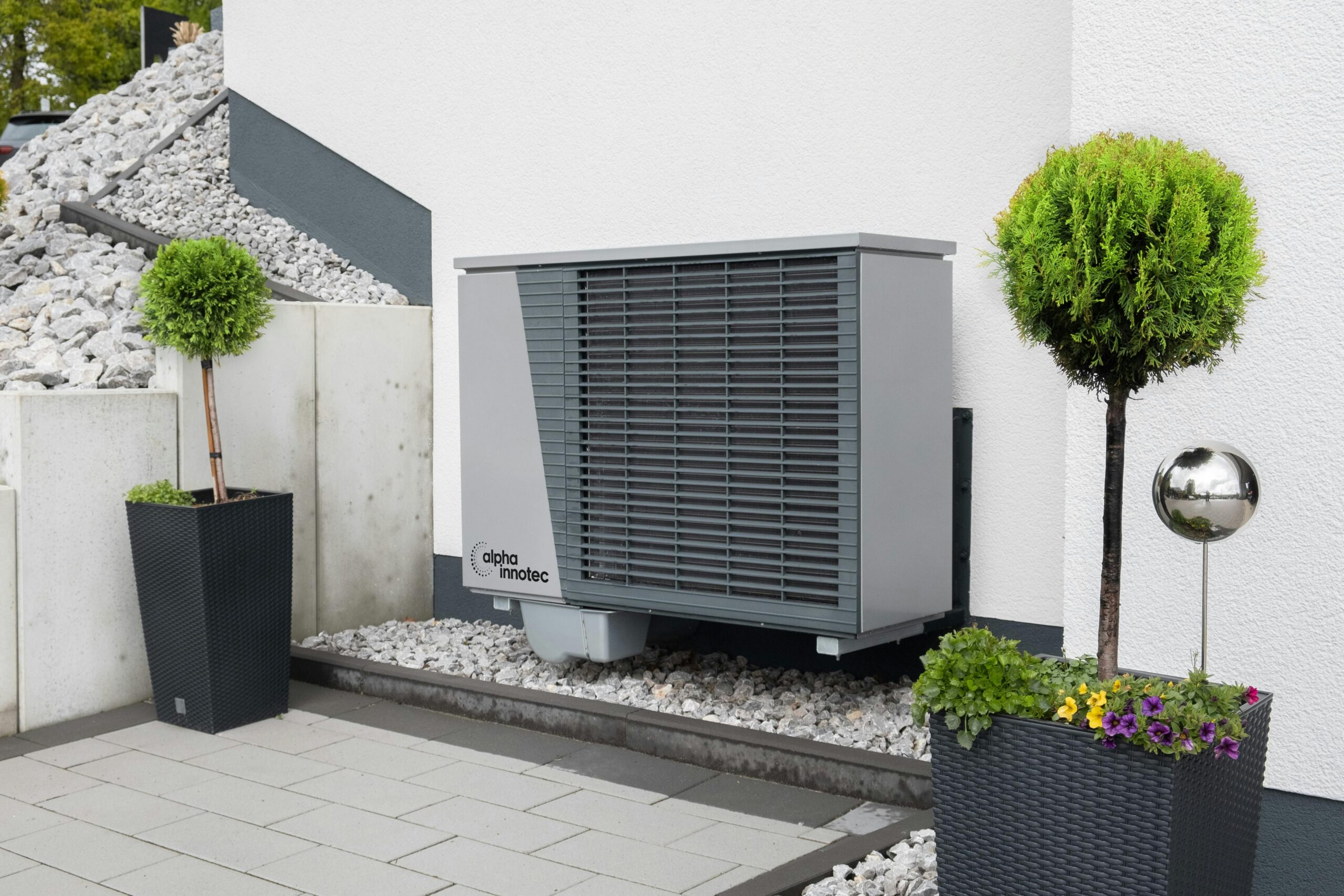
Valuing a heating and air conditioning business is both an art and a science. It’s more than just looking at financial statements — it’s about capturing the complete picture of what makes your company successful, sustainable, and attractive to potential buyers or investors. The heating, ventilation, and air conditioning (HVAC) sector has become one of the most stable, recession-resistant industries worldwide. From residential homeowners to large-scale commercial clients, HVAC services are a constant necessity, which is why accurate valuation has never been more critical.
For HVAC business owners, knowing your company’s value serves multiple purposes. It’s not only essential if you plan to sell your business; it’s also invaluable for securing financing, planning for retirement, bringing in partners, or benchmarking performance.
Here’s why it’s crucial:
In short, business valuation is not just about today’s value — it’s about shaping tomorrow’s growth.
The HVAC market continues to expand steadily due to population growth, construction activity, and increasing demand for energy-efficient systems. According to recent industry reports, the U.S. HVAC services market alone is expected to surpass $30 billion annually by 2030.
This steady demand makes HVAC companies highly attractive to buyers, especially those offering a mix of installation, maintenance, and repair services. Unlike many seasonal businesses, HVAC companies generate recurring revenue through service contracts, warranties, and energy-efficiency upgrades — all of which contribute to stable cash flow and a higher valuation multiple.
Even during economic downturns, HVAC services remain essential. Whether it’s maintaining air quality, installing heat pumps, or repairing cooling systems, there’s always demand. This inherent stability gives HVAC businesses an edge when it comes to long-term valuation growth.
Several core elements influence the market value of an HVAC business. Understanding these drivers helps you identify where to focus improvement efforts:
Each of these drivers reflects the underlying strength and sustainability of your business model. A skilled appraiser will consider all these factors, not just your financial statements.
HVAC business valuations are used for many purposes beyond selling the company. Some common scenarios include:
In each case, accuracy and documentation are key. A rushed or incomplete valuation can lead to underpricing or missed opportunities.
Despite the HVAC industry’s stability, valuing such businesses isn’t always straightforward. Common challenges include:
Understanding these challenges early allows owners to make strategic changes that can increase value over time.
Once you understand your company’s worth, you can make smarter business decisions. For example:
In essence, valuation isn’t just a one-time activity — it’s a strategic process that empowers you to continuously enhance business performance.
Valuing a heating and air conditioning business requires a holistic view that combines financial analysis, market understanding, and strategic foresight. For business owners, the valuation process provides far more than a number — it offers a roadmap for growth, profitability, and long-term success.
As we move into the next section, we’ll explore the key factors and financial metrics that truly determine your HVAC business’s value — from recurring revenue to EBITDA and customer loyalty.
Valuing a heating and air conditioning (HVAC) business requires a detailed look at both tangible and intangible elements that drive profitability and long-term sustainability. While financial performance remains the backbone of valuation, the real picture extends beyond numbers — covering customer loyalty, recurring revenue, operational efficiency, and even online reputation.
In this section, we’ll break down the primary value drivers and the core financial metrics used by professional appraisers, investors, and brokers to assess an HVAC business’s worth.
When determining how to value a heating and air conditioning business, it’s essential to understand the unique attributes that make one company more valuable than another. HVAC businesses aren’t just compared by size or revenue; they’re judged on consistency, scalability, and customer relationships.
Let’s explore the main non-financial factors that play a significant role:
One of the most valuable assets in any HVAC business is its recurring service contracts. These agreements — often for routine maintenance or extended warranties — generate predictable, year-round cash flow and reduce the impact of seasonal fluctuations.
Buyers view these contracts as a form of “guaranteed income,” which can significantly increase a company’s valuation multiple. A business with hundreds of active maintenance agreements typically commands a higher selling price than one relying solely on new installations.
The quality and loyalty of your customer base have a direct effect on value. A company with thousands of repeat residential customers or long-term commercial contracts demonstrates stability and reliability — two traits buyers prize.
Key metrics that influence this factor include:
The broader and more loyal your customer base, the less risky your business appears to potential investors.
In the modern market, digital reputation is currency. HVAC businesses with strong Google reviews, robust websites, and active social media engagement project professionalism and reliability.
Statistics show that over 80% of HVAC customers read online reviews before contacting a company. Therefore, a 4.8-star average with hundreds of reviews can materially increase your perceived business value.
A trained, certified, and stable workforce is another major contributor to valuation. Skilled HVAC technicians are in high demand — and difficult to replace. Buyers are willing to pay more for businesses with dependable staff and competent management that can operate independently of the owner.
If your business can function smoothly without your daily involvement, it’s seen as a scalable and transferable operation, which boosts valuation.
Location plays a huge role in business valuation. HVAC companies in regions with extreme temperatures — such as the southern U.S. or colder northern states — often enjoy consistent service demand.
Additionally, businesses located in high-growth areas with ongoing residential or commercial construction projects tend to experience faster revenue growth, making them more attractive to buyers.
While intangible assets like brand and customer loyalty are critical, tangible assets also carry significant weight in an HVAC valuation.
Common tangible assets include:
An appraiser will assess these assets’ current market value, condition, and depreciation schedule. Well-maintained equipment and organized inventory can increase your book value, while outdated assets can lower it.
Pro Tip: Keep an updated asset register with serial numbers, purchase dates, and maintenance records — it adds credibility and transparency during valuation.
Beyond operational and customer factors, financial performance remains the core of any valuation. Appraisers and investors use several standard metrics to measure profitability, efficiency, and potential return on investment (ROI).
Let’s look at the most critical ones.
EBITDA is one of the most common indicators of a company’s operating performance. It shows how much profit your business generates before non-operational expenses are deducted.
Formula:
EBITDA = Net Income + Interest + Taxes + Depreciation + Amortization
This figure gives buyers a clear understanding of how efficiently your HVAC company converts revenue into profit from core operations. Most HVAC valuations are based on a multiple of EBITDA — typically 3x to 6x, depending on business size, stability, and location.
SDE is another widely used metric for small to mid-sized HVAC companies. It represents the total financial benefit an owner derives from the business.
Formula:
SDE = Net Profit + Owner’s Salary + Non-Cash Expenses + One-Time Costs
This metric helps show what a new owner could potentially earn if they take over day-to-day operations. Smaller HVAC companies (under $5 million in annual revenue) are usually valued based on SDE rather than EBITDA.
Gross margin reflects how efficiently your business turns revenue into profit after accounting for direct costs.
Formula:
Gross Margin = (Revenue – Cost of Goods Sold) ÷ Revenue × 100
For HVAC companies, a healthy gross margin typically ranges from 40% to 60%, depending on the balance between installation and service work. Higher margins often translate to a higher valuation multiple.
Cash flow stability is vital. Buyers prefer businesses with consistent positive cash flow and sufficient working capital to cover short-term obligations. If your business regularly faces liquidity issues, even strong revenue might not translate into high valuation.
Steady revenue growth signals scalability and market demand. A business growing at 10%–15% annually is more appealing than one with flat or declining sales. Appraisers often project future earnings using these growth rates to calculate the discounted cash flow (DCF) value.
Beyond the headline metrics, specific financial ratios give deeper insights into operational efficiency and risk.
Ratio | Purpose | Healthy Range for HVAC Businesses |
Current Ratio | Measures liquidity (ability to pay short-term debts) | 1.2 – 2.0 |
Debt-to-Equity Ratio | Assesses leverage and financial stability | < 1.5 |
Customer Concentration Ratio | Evaluates reliance on key clients | < 25% from any single customer |
Return on Assets (ROA) | Measures profitability relative to total assets | 10%+ |
Inventory Turnover | Indicates efficiency in managing parts and materials | 6–12 times/year |
Maintaining healthy ratios demonstrates that your business is financially balanced and efficiently managed, which enhances valuation confidence.
One of the most overlooked yet vital aspects of HVAC business valuation is financial documentation. Inaccurate, incomplete, or disorganized records can drastically reduce perceived value. Buyers want transparency — they need to trust that reported figures match reality.
Essential documents include:
Keeping these records well-organized not only streamlines the valuation process but also boosts buyer confidence and negotiation leverage.
Valuation isn’t about any single metric — it’s about the total picture. A business with modest EBITDA but strong recurring revenue, loyal customers, and minimal debt could still command a high multiple due to low risk and stability.
Conversely, a large HVAC company with declining contracts or poor reputation might be valued lower despite higher revenues.
Ultimately, valuation experts weigh financial performance and qualitative factors to arrive at fair market value — the price a willing buyer would pay a willing seller in an open market.
Determining your HVAC business’s value requires analyzing both numbers and nuances. Financial metrics like EBITDA, SDE, and cash flow tell one story, while customer loyalty, maintenance contracts, and workforce stability tell another. When both align — solid financials backed by consistent, recurring revenue and strong brand reputation — your business achieves top-tier valuation.
Next, in Section 3, we’ll explore the 7 proven valuation methods and multiples used to determine an HVAC company’s market value — including real-world examples of how these calculations work.
When it comes to determining how to value a heating and air conditioning business accurately, using the right valuation method is essential. Each approach provides a different lens for viewing business worth — whether you’re focused on income potential, market comparisons, or asset strength. Professional appraisers and business brokers often use a combination of these methods to arrive at a realistic and defendable valuation.
Let’s explore the seven most trusted valuation methods and how they apply specifically to the HVAC industry, followed by a look at typical industry multiples.
No single formula can perfectly capture the value of a heating and air conditioning business. The HVAC industry is complex — involving a mix of installation, service, and maintenance work. Cash flow can fluctuate seasonally, and profitability may depend heavily on contracts or local market conditions.
That’s why experts typically apply two or three complementary methods and then reconcile the results to form a balanced valuation. This multi-method approach minimizes bias and accounts for both tangible and intangible value drivers such as customer loyalty, skilled workforce, and brand reputation.
The income approach focuses on the business’s ability to generate profit in the future. It values the company based on its expected earnings or cash flow, adjusted for risk.
Two primary models fall under this category:
The income approach is often the most precise method because it reflects both profitability and sustainability.
The market approach determines value by comparing your HVAC business to similar companies that have recently sold. It’s similar to how real estate agents price homes — by analyzing comparable sales (“comps”).
Data for this method comes from industry transaction databases, brokers, or valuation firms.
This method provides a reality check, showing what buyers are currently willing to pay in your market. However, it’s only as accurate as the quality of comparable data available.
This method is based on the value of the company’s assets minus its liabilities. It’s most useful for HVAC businesses with significant tangible assets (vehicles, equipment, inventory, or property).
There are two types of asset-based valuation:
While this method doesn’t fully capture goodwill, reputation, or brand strength, it provides a solid “floor value” — the minimum your business is worth.
This method is an extension of the market approach but focuses specifically on actual sale transactions of HVAC companies. Professional valuation databases (like BizBuySell, DealStats, or PeerComps) record details about sold businesses, including revenue, profit, and selling price.
By examining the sales of comparable HVAC companies — ideally those of similar size and region — you can estimate your own business’s market value.
Example:
If five comparable HVAC businesses sold for prices averaging 4.5x EBITDA, and your EBITDA is $600,000, your estimated value could be:
$600,000 × 4.5 = $2.7 million.
In the HVAC industry, “rule of thumb” valuation multiples are widely used for quick estimates. These are based on industry averages and can serve as a preliminary guide.
Typical HVAC industry rules of thumb include:
While not as precise as detailed financial models, this method helps establish a realistic pricing range before engaging professional valuation services.
As part of the income approach, DCF is one of the most technical and comprehensive valuation tools. It involves projecting future free cash flows (FCF) over several years and discounting them back to their present value using a discount rate that represents investment risk (usually 15–25% for HVAC businesses).
Formula:
Value = Σ (Cash Flow for Each Year ÷ (1 + Discount Rate)^Year)
This method is particularly useful for businesses with strong growth potential or those expanding into new markets. It captures both short-term earnings and long-term sustainability.
This hybrid method combines elements of both the asset and income approaches. It adjusts the company’s assets to their fair market values and then incorporates intangible assets such as customer relationships, brand equity, and proprietary systems.
It’s commonly used when valuing HVAC companies with both significant tangible assets and loyal, recurring customers.
The HVAC industry enjoys relatively strong valuation multiples due to its essential nature and recurring income potential. However, these multiples vary based on factors such as business size, location, stability, and service diversity.
Metric Used | Small HVAC Business (<$1M Revenue) | Mid-Sized HVAC Business ($1M–$5M Revenue) | Large HVAC Business ($5M+ Revenue) |
SDE Multiple | 2.0x – 3.5x | 3.0x – 4.5x | 4.0x – 5.0x |
EBITDA Multiple | 3.0x – 4.0x | 4.0x – 5.5x | 5.0x – 6.0x |
Revenue Multiple | 0.25x – 0.4x | 0.35x – 0.5x | 0.5x – 0.7x |
Example:
If your HVAC business earns $800,000 in EBITDA and qualifies as a mid-sized operation, you could reasonably expect:
$800,000 × 5 = $4 million.
However, if your company has exceptional online reputation, loyal clients, and long-term contracts, your valuation could push beyond the average range.
Selecting the correct valuation method depends on your company’s size, structure, and goals.
Business Situation | Best Valuation Method | Why It Works |
Stable, profitable HVAC business | Income Approach (Capitalization) | Reflects steady earnings and consistent performance |
Rapidly growing HVAC company | Discounted Cash Flow (DCF) | Captures future potential and expansion |
Asset-heavy HVAC operation | Asset-Based or Adjusted Book Value | Accounts for valuable tangible equipment |
Small owner-operated HVAC firm | SDE or Rule of Thumb | Simple and fast for smaller operations |
Preparing for sale or merger | Market Approach + Comparable Sales | Ensures alignment with current market prices |
Most valuation experts use a blended approach, averaging multiple valuation results to reach a fair market value that withstands negotiation and scrutiny.
Let’s apply what we’ve learned with a simplified example:
Business Snapshot:
Step 1: Income Approach (EBITDA × Multiple)
$500,000 × 4.5 = $2,250,000
Step 2: Market Approach (Comparable Sales)
Similar companies in the region sold for 4x–5x EBITDA → mid-range $2,250,000
Step 3: Adjusted Book Value
Net tangible assets: $600,000 → included in valuation confidence.
Final Valuation Range:
$2.2M – $2.5M, depending on buyer motivation, contract stability, and transition support.
This example demonstrates how financial and qualitative factors blend to produce a realistic value estimate.
Valuing a heating and air conditioning business isn’t about applying one formula — it’s about combining multiple valuation perspectives. The income approach captures future profit potential, the market approach grounds valuation in real-world sales data, and the asset-based approach ensures a solid floor value.
For HVAC companies, understanding these valuation methods allows you to better position your business — whether you’re preparing to sell, merge, or simply measure growth.
In Section 4, we’ll explore how to prepare your HVAC business for a higher valuation, including practical strategies, common mistakes to avoid, and the value of working with professional appraisers.
A professional valuation reveals what your heating and air conditioning business is worth today — but the real opportunity lies in increasing that value tomorrow. Whether you’re planning to sell, attract investors, or simply strengthen your financial position, you can significantly enhance your business’s worth by improving operations, documentation, customer relationships, and branding.
This section will walk you through proven strategies to raise your valuation, common mistakes to avoid, and how to work with experts to ensure a fair and profitable outcome.
Many business owners only think about valuation when they’re ready to sell — but by then, it’s often too late to make meaningful improvements. True value-building begins 2–3 years before a sale or investment event.
The goal is to transform your business from owner-dependent to system-dependent. Buyers pay more for companies that can run smoothly without constant owner oversight. This demonstrates scalability and reduces perceived risk — two major valuation boosters.
When preparing your business for valuation, focus on three core principles:
The more your HVAC business embodies these traits, the higher your market value climbs.
Strong financial transparency is the cornerstone of a high-value HVAC business. Buyers and appraisers must be able to trust the numbers — if your records are incomplete or inconsistent, it introduces uncertainty, which lowers value.
A company with transparent, organized, and verifiable financials can command up to 20% higher valuation multiples compared to one with sloppy books.
In the HVAC business, loyal customers and long-term maintenance contracts are gold. They represent recurring, predictable cash flow — something investors crave.
Loyalty-driven revenue streams reduce volatility, which directly boosts valuation multiples.
In today’s competitive HVAC landscape, your digital reputation is just as important as your trucks and technicians. Strong branding signals professionalism, trust, and stability — all qualities buyers are willing to pay for.
Digital visibility isn’t just about attracting customers — it also demonstrates to buyers that your business is future-ready and scalable.
Efficient operations translate directly into higher profits — and higher profits mean higher valuations.
Streamlining operations not only improves day-to-day profitability but also signals to potential buyers that your company runs efficiently — a sign of lower risk and higher value.
Even strong HVAC companies can unintentionally hurt their valuation by overlooking key issues. Avoid these common pitfalls:
Avoiding these mistakes can preserve — or even increase — your company’s valuation by a substantial margin.
Even with strong internal systems, partnering with an experienced business valuation expert can add tremendous value. HVAC-focused appraisers understand the nuances of service contracts, seasonal demand, and regional pricing variations.
Expect a professional HVAC valuation report to include:
Most certified appraisers charge $5,000–$10,000 for a detailed valuation report, but this investment often pays for itself during sale negotiations.
(External Resource: International Society of Business Appraisers – HVAC Valuation Guide)
Valuing a heating and air conditioning business isn’t a one-time calculation — it’s a continuous process of improvement. By understanding what drives your company’s value, maintaining clean financials, nurturing loyal customers, and strengthening digital and operational systems, you can elevate your HVAC business to the top tier of the market.
The key takeaway? A well-prepared, well-managed HVAC business is always worth more.
Whether you’re planning to sell next year or a decade from now, every efficiency you add, every contract you secure, and every satisfied customer you serve contributes to long-term value creation.
When the time comes for valuation, your preparation today will define the premium tomorrow’s buyer is willing to pay.