
Earnouts in Business Sales Explained: 17 Critical Rules That Protect Buyers and Sellers
- 9825 Marina Blvd #100, Boca Raton, FL 33428
- 561-609-7325
Follow Us :
John C Bucher
February 6, 2026
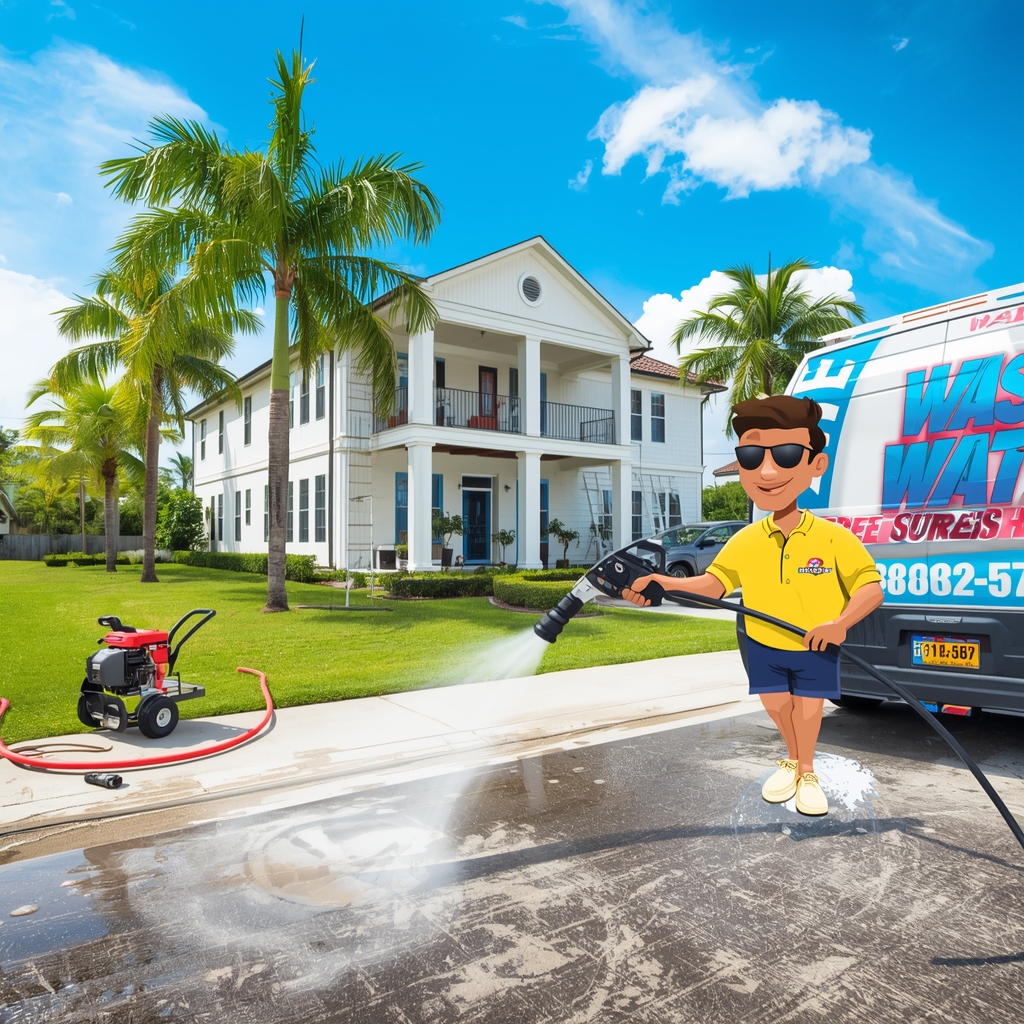
Knowing what your pressure washing business is worth has become increasingly important in 2026. Florida continues to be one of the strongest markets in the country for home service businesses, and pressure washing companies benefit from year-round demand, population growth, and dense residential and commercial properties. Whether you are planning to sell soon or simply want clarity on your options, understanding valuation is the foundation of every smart decision.
One of the biggest mistakes owners make is assuming valuation is based on revenue or how busy the business feels. Buyers do not pay for effort, long hours, or potential—they pay for verifiable cash flow and reduced risk. This is often where expectations and reality diverge. Many owners gain clarity only after speaking with a professional pressure washing business broker in Florida who understands how buyers actually evaluate service companies.
This guide walks through how pressure washing businesses are valued in today’s Florida market, using real buyer logic rather than online formulas or guesswork.
When a buyer reviews a pressure washing business, the first question is simple: How much money does this business reliably produce? The second question follows immediately: How risky is that income?
Everything else—equipment, branding, even growth potential—is secondary.
Most pressure washing businesses in Florida are valued using Seller’s Discretionary Earnings (SDE). SDE represents the total economic benefit available to a single owner-operator and typically includes:
SDE is the preferred metric when the owner is involved in day-to-day operations, which is common in pressure washing companies with one to three trucks. Buyers want to know what they can reasonably earn if they step into the business and replace the current owner.
EBITDA, on the other hand, is usually reserved for larger, more structured operations. If a pressure washing business has management in place, office staff, standardized systems, and minimal owner involvement, buyers may apply EBITDA-based valuation logic. However, this represents a smaller percentage of businesses in this industry.
Understanding the difference between these two earnings methods is essential, especially when buyers start to dig into how cash flow is calculated. This is why owners benefit from learning how buyers calculate cash flow for service businesses before entering negotiations.
Two pressure washing businesses can generate the same annual revenue and sell for very different prices. The difference almost always comes down to revenue quality.
Buyers favor businesses with:
These revenue streams are predictable, easier to forecast, and less dependent on constant advertising. A business built primarily on one-time residential jobs may be profitable, but buyers view it as higher risk due to seasonality, customer churn, and marketing dependency.
In Florida, commercial and HOA work is particularly attractive because properties require frequent cleaning year-round. Businesses with documented contracts and renewal histories often command higher multiples than those relying entirely on residential demand.
Pressure washing businesses are usually valued as a multiple of SDE or EBITDA. The multiple applied reflects risk, stability, and growth potential.
Most owner-operated pressure washing businesses in Florida sell within the range of:
Businesses closer to the lower end of this range often show:
Those closer to the higher end typically have:
Pricing outside this range without justification usually leads to extended time on market or failed negotiations.
Larger pressure washing businesses with multiple crews, office staff, and management oversight may qualify for higher multiples. Buyers see these businesses as less risky because operations are not tied to a single individual.
These companies are often evaluated alongside other established service businesses and may align more closely with broader business valuation services used across Florida’s home services sector.
Florida adds unique dynamics to pressure washing valuations. Year-round demand, population growth, and commercial density are positive factors. However, buyers also account for labor availability, insurance costs, and regulatory compliance.
Storm-related cleanup, seasonal population shifts, and commercial development can all enhance upside—but only if revenue is documented and repeatable. Buyers pay for proven performance, not assumptions.
Once buyers understand how much revenue a pressure washing business generates, the next step is determining how much of that revenue actually benefits the owner. This is where financial add-backs become critical. Add-backs adjust the reported profit to reflect the true earning power of the business for a new owner.
Well-documented add-backs can significantly increase valuation. Poorly documented or aggressive add-backs can destroy buyer confidence and delay or kill a deal.
Most buyers in the Florida market expect to see certain add-backs in pressure washing businesses. These typically include:
Buyers accept these add-backs when they are clearly explained and supported by records. Vague explanations or undocumented claims create skepticism. This is why preparing properly—often with guidance from professionals experienced in preparing to sell your business—has a direct impact on final value.
Not all add-backs are created equal. Certain claims raise immediate red flags during due diligence, especially in service businesses like pressure washing.
Commonly challenged add-backs include:
Buyers and lenders will not pay for income that cannot be verified. If revenue does not appear in bank deposits or accounting records, it is unlikely to be included in valuation. Similarly, if the business relies on the owner’s personal relationships or labor, buyers will discount earnings to reflect replacement risk.
This stage is often where sellers realize the importance of understanding the due diligence process for business buyers before going to market.
Pressure washing businesses are asset-light compared to many other industries, but equipment still plays an important role in valuation—just not always in the way owners expect.
Vehicles and pressure washing rigs are generally valued at fair market value, not replacement cost. Buyers focus on:
A newer truck with high mileage may be valued lower than an older, well-maintained vehicle. Overbuilt or underutilized equipment does not automatically increase value unless it directly supports revenue.
Core equipment is usually included in the sale but rarely valued dollar-for-dollar. Buyers assume normal wear and tear and often budget for future replacements. What matters more is whether the equipment is operational and adequate to sustain current revenue.
Equipment value becomes especially relevant when discussing transaction structure. In most pressure washing business sales, deals are structured as asset purchases rather than stock sales. Understanding the difference between an asset sale vs stock sale helps sellers set realistic expectations.
While equipment has diminishing value, intangible assets often increase a pressure washing business’s appeal. These include:
Buyers place a premium on assets that drive inbound leads without heavy advertising spend. A well-optimized online presence can support higher multiples even if equipment is average.
The mix between residential and commercial work is one of the strongest drivers of valuation in pressure washing businesses.
Residential-heavy businesses are common in Florida and can be highly profitable. However, buyers often apply lower multiples due to:
These businesses tend to rely heavily on the owner for estimates, scheduling, and customer relationships.
Commercial pressure washing businesses often command higher valuations because they offer:
HOA and property management contracts are particularly attractive when they are transferable and renewed regularly. Buyers see these businesses as more stable and scalable, especially in Florida’s dense commercial corridors.
Pressure washing businesses that appear alongside other commercial service businesses for sale in Florida tend to receive stronger buyer interest and better deal terms.
Even a profitable pressure washing business can lose value if financials are disorganized. Buyers want:
Strong presentation reduces perceived risk and increases buyer confidence. Weak presentation forces buyers to discount earnings or walk away entirely.
While many owners focus on what increases value, buyers spend just as much time identifying risk. Even profitable pressure washing businesses can see their valuation reduced if certain issues are present. Understanding these risks ahead of time allows owners to address them before going to market.
One of the most common valuation discounts in pressure washing businesses is excessive owner dependency. Buyers look closely at how involved the owner is in:
If the owner is the primary salesperson or the only person who understands operations, buyers assume additional risk. They may lower the multiple or require seller involvement after closing. Businesses that demonstrate transferable systems and trained staff are consistently valued higher.
Financial clarity is non-negotiable for buyers and lenders. Common red flags include:
These issues increase due diligence time and reduce trust. Buyers may assume worse problems exist or discount earnings to protect themselves. This is why understanding the due diligence process for business buyers is essential well before listing the business.
Pressure washing businesses often rely on field labor, and labor structure matters. Buyers carefully examine:
Improper worker classification, especially in Florida, creates legal and financial risk. Buyers may require indemnification, escrow holdbacks, or price reductions to compensate for this exposure. Clean labor practices significantly improve buyer confidence.
Time on market directly impacts perceived value. Pressure washing businesses priced correctly often attract strong interest within the first 30 to 90 days. Those priced too aggressively tend to sit longer and become “stale” in the eyes of buyers.
Extended time on market often leads to price reductions, tougher negotiations, or buyer skepticism. Sellers who understand how to sell my business strategically—rather than emotionally—achieve better outcomes.
Owners sometimes price based on:
Buyers price based on current performance and transferable value. The difference between these viewpoints can be significant. Businesses priced realistically from the start often sell for more in the long run than those that chase the market downward.
Many owners attempt to estimate value using online calculators or industry rules of thumb. While these tools can provide direction, they rarely capture the nuances of a real transaction.
Online valuation tools offer quick estimates but lack context. They cannot account for:
These tools are best used as a starting point, not a pricing strategy.
A broker opinion of value reflects real buyer behavior in the market. Brokers evaluate comparable sales, current demand, and deal structures. A BOV is especially useful when preparing to go to market or negotiate offers.
Understanding the difference between a broker opinion and a formal appraisal is critical, which is why many owners review the broker opinion of value vs appraisal before moving forward.
Formal appraisals are typically required for SBA-backed transactions or partner buyouts. While more expensive, appraisals provide documentation lenders rely on and can support higher valuations when the business qualifies.
The value of a pressure washing business is not a single number—it is a range influenced by earnings, risk, structure, and timing. Florida’s market offers strong opportunities, but buyers remain disciplined. Businesses with clean financials, recurring revenue, transferable systems, and reduced owner dependency consistently command higher multiples.
Preparation is the difference between an average outcome and an excellent one. Owners who understand valuation before listing are better positioned to negotiate, plan, and exit on their terms.
If you want clarity on where your business truly stands in today’s market, the next step is to value my business confidentially and professionally.