
Earnouts in Business Sales Explained: 17 Critical Rules That Protect Buyers and Sellers
- 9825 Marina Blvd #100, Boca Raton, FL 33428
- 561-609-7325
Follow Us :
John C Bucher
January 11, 2026
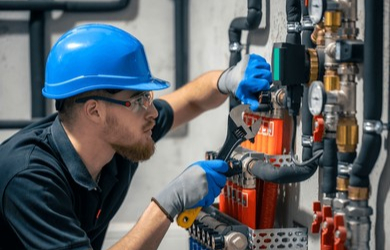
Starting a plumbing business is one of the most dependable ways to enter skilled-trade ownership. Plumbing is not a luxury service—it’s a necessity. Homes, businesses, and municipalities rely on plumbing systems every day, which makes demand steady even during economic slowdowns. However, while the opportunity is strong, success is not automatic.
Many new owners underestimate what it truly takes to start a plumbing business. Beyond technical skills, owners must understand licensing, pricing, staffing, cash flow, and long-term planning. The earliest decisions you make—especially whether to start from scratch or pursue an existing operation—can dramatically affect profitability, stress levels, and how quickly the business becomes sustainable.
This first section focuses on foundational questions every prospective plumbing business owner should answer before investing serious time or money.
Plumbing business ownership is often romanticized as simply “being your own boss.” In reality, it is a demanding role that blends leadership, financial management, compliance, and customer service.
If you are currently a plumber, the transition to ownership requires a mindset shift. You move from completing jobs to managing systems. Scheduling, estimating, payroll, insurance, marketing, and employee issues become daily responsibilities. Many owners spend more time in the office than in the field once the business grows.
If you are not a plumber, ownership is still possible, but it requires strong management skills and the ability to hire licensed professionals you trust. Some of the most profitable plumbing businesses are run by owners who focus on operations and growth rather than technical work.
Before moving forward, ask yourself:
Being honest about these questions early can prevent costly mistakes later.
The plumbing industry remains one of the most stable segments of the construction and home services market. Aging infrastructure, population growth, and constant repair needs create consistent demand. Residential service work, commercial maintenance, and emergency repairs ensure year-round revenue opportunities.
In 2026, several trends continue to shape the industry:
These conditions favor well-run businesses with systems in place. They also make it harder for poorly planned startups to compete without sufficient capital and operational discipline.
One of the most important early decisions is whether to build a plumbing business from the ground up or acquire an existing operation. Both paths can work, but they come with very different risk profiles.
Starting from scratch offers control and flexibility. You choose your brand, pricing, niche, and growth pace. Startup costs may appear lower initially, especially if you already own tools and equipment.
However, new businesses face major challenges:
Many startups fail not because of lack of skill, but because expenses outpace revenue during the early phase.
Buying an existing plumbing business often reduces risk and shortens the path to income. An established company typically comes with:
For many entrepreneurs, especially those entering ownership later in their careers, acquiring an existing business provides stability and predictability that startups lack.
In Florida, established plumbing businesses can be particularly attractive due to population growth and ongoing residential development. Working with a specialized plumbing business broker can help buyers identify opportunities that align with their budget, experience, and long-term goals.
Understanding startup costs is critical to realistic planning. Underestimating expenses is one of the most common reasons new plumbing businesses struggle.
Typical startup costs include:
Even lean startups often require tens of thousands of dollars to operate safely and legally. Buying an existing business may involve a higher upfront investment, but it often includes revenue from day one, which can offset financing costs.
New owners often repeat the same avoidable mistakes. Recognizing them early can save significant time and money.
One common error is underpricing services to “win jobs.” This approach leads to burnout and thin margins. Another is trying to do everything alone instead of building systems and delegating. Poor bookkeeping and lack of financial visibility also cause problems, especially when taxes and insurance renewals come due.
Perhaps the biggest mistake is ignoring long-term strategy. Owners who fail to plan for growth, staffing, or eventual exit often end up trapped in their own business instead of building an asset.
Licensing is one of the biggest barriers to entry in the plumbing industry, and for good reason. Plumbing work affects public health, safety, and infrastructure. Because of this, states and municipalities regulate who can legally operate a plumbing business.
Most states require at least one licensed master plumber to be associated with the business. This individual is responsible for code compliance, permitting, and supervision of work. Requirements often include a combination of education, apprenticeship hours, and passing a state or local exam.
In Florida and many other states, licensing may occur at the state or county level, depending on the scope of work. Some licenses allow statewide operations, while others are limited to specific jurisdictions. Understanding where and how you can legally operate is critical before accepting any jobs.
It’s also important to plan for timing. Licensing applications, exams, and approvals can take months. Many new owners underestimate this delay and plan revenue too aggressively in their first year.
Your business structure affects taxes, liability, financing, and long-term flexibility. While there are several options, most plumbing businesses operate as limited liability companies (LLCs) or corporations.
An LLC is popular among small and mid-sized plumbing companies because it offers liability protection while remaining relatively simple to manage. It separates personal assets from business liabilities and allows for flexible tax treatment.
Corporations, including S-corporations, can offer tax advantages at higher income levels and may be more attractive if you plan to scale, add partners, or eventually sell the business. However, they come with stricter compliance requirements and administrative complexity.
Choosing the right structure early can prevent costly restructuring later. Many owners consult with accountants and legal professionals before making this decision.
Beyond licensing, plumbing businesses must comply with a variety of local and state regulations. These often include contractor bonds, permits for specific jobs, and adherence to building and safety codes.
Contractor bonds protect customers if work is not completed according to contract or code. Bonding requirements vary by jurisdiction and project size, but they are commonly required before permits are issued.
Permitting processes can affect scheduling and cash flow. Delays in inspections or approvals can slow projects, so experienced owners build these timelines into their operations from the start.
Regulatory compliance also extends to workplace safety. Plumbing businesses must follow OSHA guidelines, especially when working in confined spaces, using heavy equipment, or handling hazardous materials.
Insurance is not optional in plumbing—it’s essential. One claim can financially devastate an underinsured business.
Most plumbing businesses carry several core policies:
Insurance costs have increased in recent years, particularly for businesses with employees and vehicle fleets. New owners must budget for these expenses realistically, as underinsurance often leads to denied claims or out-of-pocket losses.
Labor is one of the biggest challenges in the plumbing industry. Skilled plumbers are in short supply, and competition for experienced technicians is intense.
New business owners must decide whether to hire employees or use subcontractors. Employees offer more control and long-term stability, while subcontractors can provide flexibility but often come at higher per-job costs.
Training is equally important. Even experienced plumbers need to understand your company’s pricing, procedures, customer service standards, and safety protocols. Businesses that invest in training often see lower turnover and higher customer satisfaction.
Retention is not just about pay. Culture, clear expectations, advancement opportunities, and reliable scheduling all play a role in keeping good employees.
Strong operations separate successful plumbing businesses from struggling ones. Without systems, owners become overwhelmed, margins shrink, and growth stalls.
Key operational areas include:
Many modern plumbing businesses rely on industry-specific software to manage these tasks. While software adds expense, it often saves time and reduces costly errors.
Operational discipline becomes even more important as the business grows. Owners who fail to build systems early often find themselves trapped in daily firefighting instead of focusing on strategy.
Even if your initial goal is a small operation, planning for growth early creates options later. This includes documenting processes, standardizing pricing, and maintaining clean financial records.
Businesses that are well-organized are easier to expand, finance, or sell. Lenders and buyers look for consistent revenue, reliable systems, and compliance with regulations.
Whether you plan to build slowly or scale aggressively, treating your plumbing business like a long-term asset rather than just a job changes how you make decisions from the beginning.
Customer acquisition is one of the biggest challenges for new plumbing businesses. While demand exists, competition is often local and intense. The businesses that win are those that combine strong service with consistent marketing.
Local search visibility is essential. Most customers search online when they need a plumber, especially for emergency services. A well-optimized website, accurate local listings, and a strong Google Business Profile can drive high-quality leads. Reviews also play a major role in customer trust and decision-making.
Paid advertising can accelerate growth, particularly in competitive markets. However, ads must be managed carefully. Without proper tracking and pricing discipline, marketing costs can quickly exceed profits.
Referral programs and maintenance plans are powerful long-term strategies. Satisfied customers who receive ongoing service are more likely to refer friends, neighbors, and commercial contacts. These repeat relationships stabilize revenue and reduce dependence on advertising.
Many entrepreneurs interested in starting a plumbing business also consider HVAC ownership. Both industries share similarities, but they differ in important ways that affect cost, scalability, and risk.
Both plumbing and HVAC businesses operate in the essential services sector. They rely on skilled labor, licensing, and regulatory compliance. Emergency calls, maintenance contracts, and replacement work create steady demand across economic cycles.
In both industries, established businesses with trained crews and systems are often more valuable than startups. Customer loyalty, recurring service agreements, and local reputation play a major role in long-term success.
HVAC businesses often involve higher equipment costs and seasonal demand, while plumbing businesses tend to have more consistent year-round service work. Plumbing emergencies can occur at any time, which supports steady cash flow.
That said, HVAC companies may benefit from larger replacement projects and service contracts. For entrepreneurs comparing options, understanding these differences is critical before committing capital.
Those interested in HVAC ownership in Florida may benefit from working with an experienced HVAC business broker who understands valuation, licensing, and local market dynamics. You can learn more about HVAC business opportunities in Florida here:
https://kmfbusinessadvisors.com/florida/hvac-business-broker/
For many entrepreneurs, buying an established plumbing business offers advantages that starting from scratch cannot match. Existing businesses often come with immediate revenue, trained staff, vehicles, equipment, and active customers.
Buying an existing operation can significantly reduce the time it takes to become profitable. Instead of spending months building brand recognition and customer trust, buyers step into a functioning system with proven demand.
This approach can be especially attractive in competitive markets or for buyers who want predictable income. Financing options are also often more accessible for established businesses with documented cash flow.
In Florida, where population growth continues to drive demand for plumbing services, established businesses can represent strong long-term investments. Buyers interested in acquiring a plumbing company may benefit from working with a specialized plumbing business broker who understands the local market and transaction process. More information on plumbing business opportunities in Florida is available here:
https://kmfbusinessadvisors.com/plumbing-business-broker-florida/
Business brokers play a critical role in connecting qualified buyers with legitimate opportunities. Unlike public listings, many business sales are confidential, meaning buyers gain access to opportunities that are not widely advertised.
A broker helps evaluate financials, assess risk, negotiate terms, and manage the transaction process. This support is especially valuable for first-time buyers who may be unfamiliar with valuations, due diligence, or licensing transfers.
Brokers also help sellers prepare businesses for sale, which improves the quality of listings available to buyers. The result is a smoother process for all parties involved.
How long does it take to become profitable?
Profitability timelines vary, but many startups take 12 to 24 months to stabilize. Established businesses may be profitable immediately after acquisition.
Do you need to be a licensed plumber to own a plumbing business?
Not always, but the business must have a licensed plumber responsible for compliance and supervision.
Is plumbing more profitable than HVAC?
Both can be profitable. Plumbing often offers steadier year-round demand, while HVAC can generate higher revenue during peak seasons.
What is the biggest risk when starting from scratch?
Cash flow shortages during the early months are the most common risk for new plumbing businesses.
Can you finance the purchase of a plumbing business?
Yes, financing options may be available for qualified buyers purchasing established businesses with documented cash flow.
Is Florida a good state for plumbing business ownership?
Yes. Population growth, real estate development, and aging infrastructure continue to support strong demand.
Another Path to Ownership: Buying Instead of Starting
Starting a plumbing business is not the only way to become an owner. For many entrepreneurs, buying an existing business offers a faster, lower-risk entry into ownership.
This option allows buyers to skip early-stage challenges such as brand building, customer acquisition, and system development. Instead, they focus on improving operations, expanding services, and increasing profitability.
Evaluating both paths—starting and buying—ensures you choose the approach that best aligns with your experience, capital, and long-term goals.
Whether you are exploring starting a plumbing business, buying an established company, or expanding into HVAC ownership, guidance matters. Working with experienced advisors can help you avoid costly mistakes and identify the right opportunities.
KMF Business Advisors specializes in plumbing and HVAC business transactions across Florida. Their team works confidentially with buyers and sellers to navigate valuations, negotiations, and successful transitions.
📞 Call KMF Business Advisors at 561-609-7325 to discuss your goals and explore your options with a trusted professional.