
Earnouts in Business Sales Explained: 17 Critical Rules That Protect Buyers and Sellers
- 9825 Marina Blvd #100, Boca Raton, FL 33428
- 561-609-7325
Follow Us :
John C Bucher
January 20, 2026
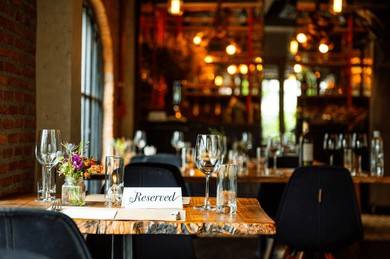
Opening a restaurant from scratch can be expensive, slow, and full of surprises. That’s why many experienced operators and first-time buyers alike are turning to a second generation restaurant for lease as a faster, more cost-effective path into the food service industry. Instead of starting with a cold, empty shell, you step into a space that already functioned as a restaurant—often complete with kitchen infrastructure, permits, and layout already in place.
In today’s competitive market, speed and capital efficiency matter more than ever. Whether you’re launching a new concept, expanding an existing brand, or transitioning into ownership, understanding how a second generation restaurant lease works can save you time, money, and costly mistakes. Many buyers also work closely with a trusted restaurant business broker to identify opportunities that never hit public listings.
A second generation restaurant for lease refers to a commercial restaurant space that was previously occupied by another food and beverage business and is now available for a new operator. Unlike a brand-new build-out, these locations already include many of the core elements required to operate legally and efficiently as a restaurant.
This distinction matters because restaurant build-outs are among the most expensive in commercial real estate. Grease traps, hood systems, fire suppression, plumbing, electrical upgrades, and ventilation alone can cost hundreds of thousands of dollars if installed from scratch. A second generation space allows you to inherit much of that investment.
If you’re new to restaurant ownership, reviewing the basics of acquiring a restaurant for sale helps clarify how leases, assets, and operating rights typically transfer in real-world transactions.
In simple terms, “second generation” means the space has already been used as a restaurant. It does not necessarily mean the business itself is for sale—only the location and, sometimes, the equipment. This setup is especially appealing for operators who want flexibility to introduce a new menu, brand, or service model without rebuilding the entire facility.
Time is money in the restaurant industry. Every month spent waiting on permits, construction, or inspections is a month without revenue. Second generation restaurant leases often shorten the timeline dramatically because many approvals already exist or can be reactivated faster than starting from zero.
This advantage aligns closely with the broader advantages of buying an existing business, particularly when speed and reduced risk are top priorities.
A new build-out offers total creative control—but at a high cost. A second generation lease offers a more practical alternative. While you may need cosmetic updates or minor reconfigurations, the bones of the restaurant are already there. In many cases, these spaces function similarly to a turnkey business, even if some upgrades are required.
Across Florida and other high-growth markets, demand for second generation restaurant spaces continues to rise. Rising construction costs, tighter lending standards, and longer permitting timelines have pushed many buyers toward spaces that allow them to open faster with less upfront capital.
Many of these opportunities appear alongside restaurants for sale in Florida, giving buyers multiple entry points depending on whether they want to lease only or acquire an operating business as well.
The most obvious benefit is cost savings. By reusing existing infrastructure, operators can redirect capital toward branding, marketing, staff training, and working capital. This approach improves early cash flow and reduces financial pressure during the critical first months of operation.
Lower startup costs also give buyers more flexibility to invest strategically in ways that can increase the value of your business over time, rather than tying up capital in construction.
In many second generation leases, permits can be transferred or reinstated rather than issued from scratch. Equipment inspections and health department approvals are often simpler as well—though they still require careful verification during the due diligence process.
This faster launch timeline is especially attractive to experienced operators who understand that early momentum can make or break a restaurant.
Landlords are often more comfortable leasing restaurant spaces to tenants who understand the operational and regulatory demands of food service. A second generation restaurant for lease attracts these experienced tenants, reducing risk for the property owner.
This is one reason many deals are structured with professional guidance from advisors who specialize in restaurant transactions and know how to align buyer and landlord expectations. Working with experts who regularly facilitate deals—similar to those who help sell a business through a broker—can significantly improve outcomes.
Beyond cost and speed, second generation restaurant leases offer strategic advantages that are often overlooked by first-time buyers.
These systems are not only expensive—they are also heavily regulated. Inheriting compliant infrastructure reduces both cost and regulatory risk. However, every system must still be inspected to confirm functionality and code compliance.
Even if the previous restaurant closed, customers already associate the location with dining. That familiarity can make marketing easier and accelerate early traffic, especially when combined with a strong rebrand.
Buyers exploring opportunities such as a restaurant for sale by owner near me often prioritize locations where the market already recognizes the space as a restaurant.
Because startup costs are lower and timelines are shorter, second generation restaurant leases reduce downside risk. This makes them especially appealing to buyers who are navigating the process for the first time and following a structured guide to businesses for sale.
While some second generation restaurants are nearly turnkey, buyers should never assume:
Understanding what a true turnkey business includes helps set realistic expectations and avoid costly surprises.
Finding a second generation restaurant for lease is only the first step. The real value—and risk—lies in how well the location, layout, and existing infrastructure align with your restaurant concept. A strong evaluation process protects you from overpaying, underestimating costs, or choosing a space that limits long-term success.
Experienced buyers approach this phase systematically, often using a structured list of due diligence questions for buyers to uncover potential issues before signing a lease or purchase agreement.
Location fundamentals still matter, even with an existing restaurant build-out. Start by observing foot traffic at different times of day and on different days of the week. A lunch-heavy area may struggle at dinner, while an evening hotspot may not support a breakfast concept.
Accessibility is equally important. Parking availability, ease of entry and exit, and proximity to complementary businesses all influence sales potential. Many successful buyers focus on areas highlighted as the best places to buy an existing business because those locations already support commercial demand.
A second generation restaurant for lease should fit the surrounding market, not fight it. Review local demographics such as household income, age distribution, and daytime population. Then evaluate competitors—not just other restaurants, but businesses competing for the same customer dollars.
Understanding market fit is especially important in Florida’s diverse metro areas. Reviewing insights on top industries to consider when buying a business in Miami can help buyers determine whether their concept matches local demand.
Not all inherited equipment adds value. Some items may be outdated, inefficient, or near the end of their useful life. Buyers should inventory every major asset and determine whether it reduces startup costs—or creates future expenses.
Failing to inspect these systems thoroughly is one of the most common and costly mistakes buyers make.
Even if the space previously functioned as a restaurant, the layout may not suit your concept. Evaluate customer flow, kitchen efficiency, and ADA accessibility. Minor layout changes are common, but major structural changes can quickly erase the cost savings of a second generation lease.
A second generation restaurant for lease may involve leasing the space only—or leasing while purchasing assets or an operating business. In either scenario, understanding value is critical.
Buyers often begin by reviewing benchmarks such as how much is my restaurant worth in 2026 to understand current valuation trends and expectations.
Restaurants are commonly valued using Seller’s Discretionary Earnings (SDE) or EBITDA, depending on size and structure. Small owner-operated restaurants typically rely on SDE, while larger or multi-unit concepts lean toward EBITDA.
If you’re unfamiliar with these metrics, a clear breakdown of SDE vs EBITDA helps buyers avoid misunderstandings that can derail negotiations.
In many second generation restaurant deals, a formal appraisal is not required. Instead, buyers rely on a Broker Opinion of Value (BOV) to assess fair market pricing.
Understanding the difference between these approaches—and when each is appropriate—is explained clearly in this broker opinion of value vs appraisal guide.
Florida restaurants face unique factors, including tourism-driven revenue swings, seasonal staffing challenges, and insurance considerations. Buyers benefit from understanding the full business valuation process in Florida to avoid relying on generic national averages.
The lease itself often has a greater long-term impact than the purchase price of equipment or assets. Poorly structured lease terms can restrict growth, reduce profitability, or complicate your eventual exit.
Many successful buyers rely on professionals experienced in deal negotiation and structuring to balance risk between tenant and landlord.
Beyond base rent, review Common Area Maintenance (CAM) charges, annual rent escalations, and personal guarantee requirements. A lower starting rent can be misleading if escalations are aggressive or CAM charges are poorly defined.
In some second generation restaurant leases, landlords are willing to offer Tenant Improvement allowances—especially if the space has been vacant or requires updates. Understanding lease documents and obligations is easier when buyers are familiar with key contract elements outlined in this business broker listing agreement guide.
Even at the beginning, buyers should think about the end. Can you assign or sublease the space if you sell the business later? Restrictions here can significantly reduce resale value.
Planning ahead with a defined business exit strategy ensures flexibility when market conditions change.
These strategies help stabilize cash flow, a concept explained further in this guide on understanding business cash flow.
Before signing anything, buyers must complete thorough legal and financial due diligence. Skipping this step is one of the fastest ways to turn a promising second generation restaurant for lease into a costly mistake.
A structured due diligence process for business buyers ensures no critical detail is overlooked.
Not all licenses transfer automatically. Buyers must confirm which permits can be reused, which require reapplication, and whether zoning approvals remain valid for the new concept.
Clarify who is responsible for repairs, replacements, and compliance upgrades. Ambiguity here often leads to disputes and unexpected expenses.
If the transaction includes purchasing the business along with the lease, deal structure matters. Understanding the differences between an asset sale vs stock sale helps buyers manage risk, taxes, and liability exposure.
One of the biggest advantages of a second generation restaurant for lease is the ability to rebrand quickly without committing to a full remodel. Smart upgrades can modernize the space, align it with your concept, and improve customer perception—without destroying your startup budget.
Buyers who approach renovations strategically often see faster revenue growth and can increase the value of your business much sooner than those who overspend early.
You don’t need a full tear-down to make a strong impression. Focus on:
These changes dramatically influence first impressions and online reviews while keeping costs manageable.
A second generation restaurant for lease gives you a functional foundation. Your brand identity—menu design, signage, uniforms, and customer experience—does most of the heavy lifting. Many operators successfully relaunch locations by keeping the layout intact and letting branding tell a new story.
Even if the kitchen is solid, technology is often outdated. Investing in:
helps improve efficiency and profitability without structural changes.
Not all opportunities are listed publicly, and the best second generation restaurant leases often move quickly. Knowing where to look—and who to work with—can make the difference between securing a great deal and missing out.
Many buyers begin by reviewing active business listings to understand current availability, pricing trends, and location demand.
Owner-listed opportunities can seem appealing, but they often lack proper documentation or realistic pricing. Working with professionals who understand restaurant transactions can reduce risk and save time.
That said, some buyers still explore options like a restaurant for sale by owner near me—as long as they conduct thorough due diligence before committing.
In Florida, many second generation restaurant spaces appear alongside broader opportunities for businesses for sale in Florida. Monitoring these platforms consistently helps buyers spot deals early.
Some of the best restaurant lease opportunities never hit public listings. Owners and landlords often prefer discreet transitions, especially when a previous restaurant has recently closed.
Building relationships with professionals who specialize in helping buyers find the right fit—like those featured in this guide on finding the right business broker in Florida—can unlock these off-market opportunities.
While second generation spaces offer many advantages, they also come with risks if buyers rush the process or make assumptions.
Reviewing common questions business buyers will ask can help identify red flags early.
Never assume inherited equipment is fully operational or compliant. Inspections should be conducted by licensed professionals, and repair costs should be factored into your budget.
Even with an existing build-out, costs add up. Marketing, staffing, inventory, training, and minor renovations all impact your launch budget. Understanding operational fundamentals—like those outlined in this guide on how to run a successful small business—helps buyers plan realistically.
Your lease should support—not restrict—your long-term goals. Poorly written assignment or renewal clauses can make it difficult to sell later. Planning ahead with a defined business exit strategy protects future value.
Is a second generation restaurant for lease cheaper than a new build-out?
Yes. In most cases, existing infrastructure significantly reduces upfront costs, especially for kitchen systems and permits.
Can I keep the existing equipment and layout?
Often yes, but everything should be inspected. Some equipment may need upgrades or replacement to meet your operational needs.
What inspections should I complete before signing?
Buyers should conduct professional inspections and review structured due diligence questions for buyers before committing.
How do I estimate profitability before opening?
Review historical performance if available and understand fixed costs. Learning how cash flow works is essential, and this guide on understanding business cash flow is a strong starting point.
Should I work with a broker or negotiate directly?
While direct deals are possible, working with an experienced restaurant business broker often reduces risk and improves deal structure.
What if I want to buy the business along with the lease?
Deal structure matters. Understanding the difference between an asset sale vs stock sale helps protect you legally and financially.
Conclusion: Is a Second Generation Restaurant for Lease Right for You?
A second generation restaurant for lease can be a powerful shortcut into restaurant ownership—offering lower startup costs, faster opening timelines, and reduced construction risk. However, success depends on careful evaluation, strong lease negotiation, and disciplined due diligence.
If you’re considering your next move, start by estimating value using the business valuation calculator or request professional insight through Value My Business. For personalized guidance, you can also contact KMF Business Advisors to discuss current opportunities and next steps.
Talk to a Restaurant Business Advisor Today
If you’re considering a second generation restaurant for lease and want expert guidance on pricing, lease terms, or due diligence, KMF Business Advisors can help you avoid costly mistakes and identify the right opportunity faster.
📞 Call KMF Business Advisors at 561-609-7325 to discuss your goals confidentially.